

Book a strategy session

The architecture of wealth

Financial strategy & structure for entrepreneurs and high-earning professionals. Make every dollar work harder.

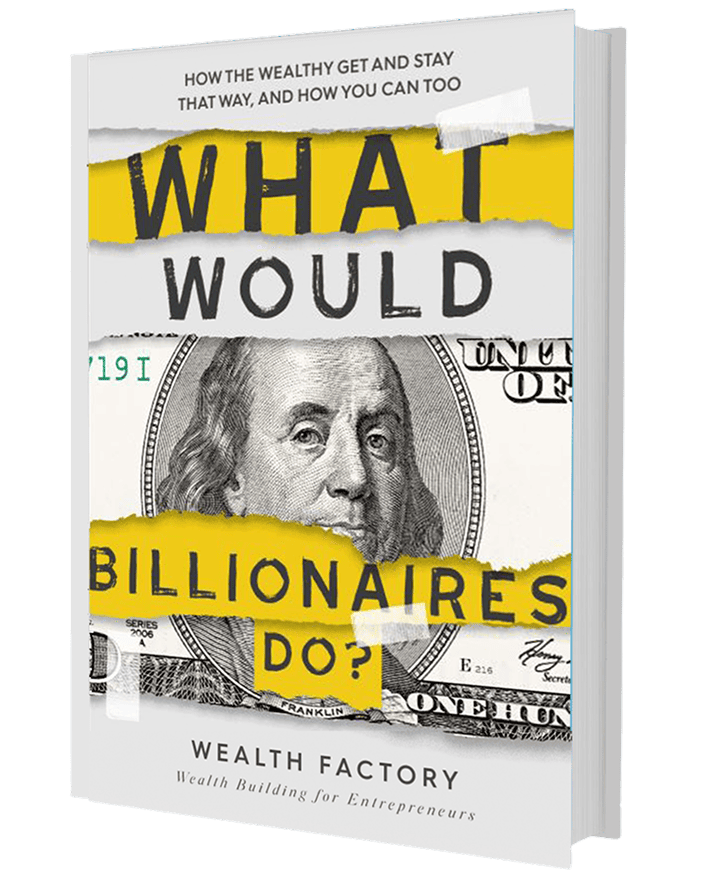
What Would Billionaires Do?

John D. Rockefeller
1839 – 1937
Standard Oil
Cornelius Vanderbilt
1794 – 1877
New York Central Railroad
Andrew Carnegie
1835 – 1919
Carnegie Steel
J.P. Morgan
1837 – 1913
JPMorgan Chase & Co.

The Rockefellers kept their fortune across six generations

The Vanderbilts lost a billion dollars in a generation

The difference wasn't luck or investment returns. It was structure

We study how the great dynasties actually built and kept their wealth, then help you do the same

You have $600K annual income

Here's what a Rockefeller-style approach looks like vs. what most entrepreneurs do.
Typical entrepreneur Dynasty approach
Tax paid: $210,000 (35%) $90,000 (15%) via holding company & entity structuring
Cash management: Sitting in a checking account Deployed into Infinite Banking — cash earns inside a whole life policy while staying fully liquid
Asset protection: Business and personal assets mixed Assets held in separate LLCs and trusts — untouchable in a lawsuit
Investment strategy: Index funds, hope for the best Owns cash-flowing real estate funded by policy loans — asset pays for itself
Tax on investments: Pays capital gains every year Structured to defer or eliminate capital gains through cost segregation & 1031 exchanges
Insurance: Basic term life, maybe Whole life policy as a financial tool — not just protection, but a private bank
Legacy: Wealth resets next generation Trust structure passes wealth with minimal estate tax — compounding continues
$2.1M $4.8M
Success and legacy don't happen by accident.
It's architecture.

Every fortune tells a story

Yet some don't end well

1839 — 1937 · 6 GENERATIONS

John D. Rockefeller

Oil → Dynasties → Perpetual wealth

Built Standard Oil, then moved assets into trusts and a family office so control and capital could pass without dismantling the machine. The blueprint was boring on purpose: compartmentalize, protect, compound.

Kept — wealth designed to outlast any single heir.
1794 — 1877 · 1 GENERATION TO DISSOLVE

Cornelius Vanderbilt

Railroads → Opulence → Fragmented estate

The Commodore consolidated shipping and rails into staggering wealth, but the family treated inheritance as a contest of lifestyles, not governance. Without cohesive entities or aligned incentives, the fortune unraveled as fast as it had risen.

Lost — brilliance in business, silence on structure.

1835 — 1919 · FOUNDATIONS & STRUCTURE

Andrew Carnegie

Steel → Philanthropy → Institutional legacy

Carnegie exited with intent: he gave away the bulk of his fortune while endowing libraries and institutions that operated with their own charters. What remained was deliberately organized so capital could keep working in public, not dissipate privately.

Structured — wealth redeployed through design, not drift.

The difference wasn't luck or investment returns. It was structure

We study how the great dynasties actually built and kept their wealth — then help you do the same.
Book a strategy session

The first generation builds it

The second generation enjoys it

The third generation
destroys it

Until you break the cycle

It often ends, and begins, with wealth architecture

The Family Bank System

This isn’t financial planning. It’s dynasty architecture - a structured system for making sure your wealth outlives you, protects your heirs, and compounds across generations. Billionaires have used versions of this for 150 years.
01

The Family Bank

A whole life policy structure that lets you borrow against your own wealth, fund major purchases, and pay yourself interest — the same mechanism the Rockefellers used to keep capital inside the family instead of surrendering it to banks.

02

Dynasty Trust Architecture

A properly structured trust doesn't just pass assets — it instills values, gates access based on behavior, and protects heirs from themselves. The same tools the Rockefellers and Hearsts used are available to anyone with the right structure.

03

Tax Elimination Strategy

Estate taxes, income taxes, and capital gains are optional for those who understand structure. We architect your wealth so that the IRS sees as little of it as legally possible — both now and across generations.

04

Family Governance

The Vanderbilts had no governance. The Rockefellers had constitutions, family councils, and mandatory financial education. A family bank without governance is just a trust fund waiting to be destroyed.

The complete multi-generational wealth playbook

Inside this book, you'll discover the exact structures billionaire families use to protect, grow, and transfer wealth — and how to implement them regardless of your current net worth.

  • How to set up your own Family Bank and tap the same "growth formula" big banks use
  • Why the Rockefellers kept it and the Vanderbilts lost it — and the structural difference
  • How to improve retirement income 30–40% without additional risk or disinheriting your family
  • The dynasty trust blueprint that makes wealth nearly impossible to squander
  • A complete estate plan that transfers wealth to your grandchildren tax-free
Get the book — for free

The Resources

Learn from history’s greatest dynasties